
Cornwall's Climate: How It Affects Pool Construction and Maintenance
PP
The Impact of Cornwall's Climate on Pool Construction
Cornwall, with its picturesque landscapes and coastal charm, is a popular location for homeowners considering pool construction. However, the region's unique climate presents specific challenges that must be addressed during the planning and building stages. Understanding these factors can ensure the longevity and efficiency of your pool.

The mild and wet climate of Cornwall can significantly impact the materials and techniques used in pool construction. The high moisture levels necessitate the use of materials that can withstand constant exposure to humidity. Concrete pools, for example, are often preferred due to their durability and ability to handle Cornwall's weather conditions.
Choosing the Right Materials
When selecting materials for pool construction in Cornwall, it's essential to consider their resistance to moisture and temperature fluctuations. Fiberglass and vinyl pools may be susceptible to damage over time due to expansion and contraction caused by temperature changes. Therefore, reinforced concrete is often recommended for its robust nature and adaptability.
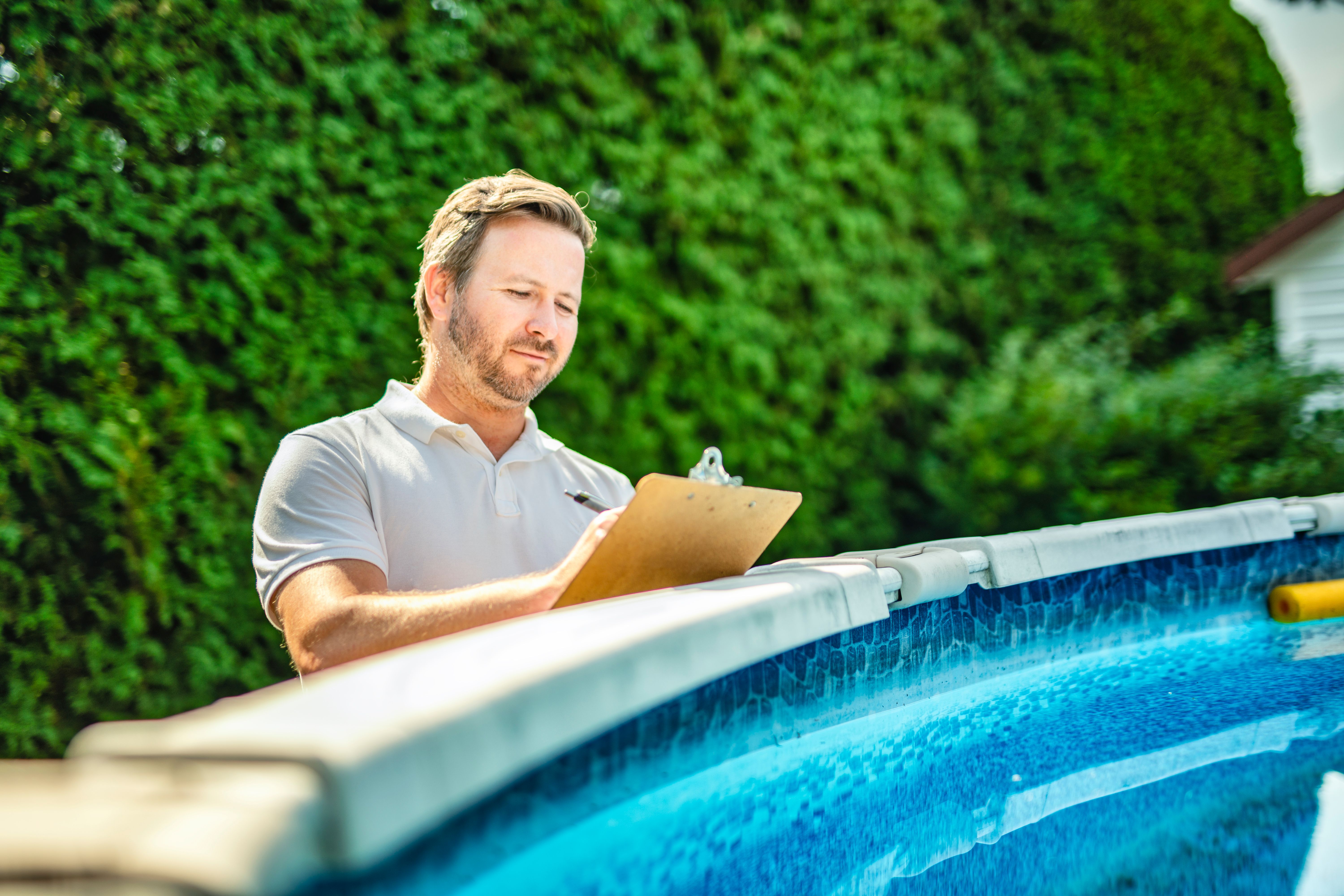
Additionally, proper drainage systems are crucial. The frequent rainfall in Cornwall can lead to water accumulation around the pool area, which can weaken the pool's structure. Installing efficient drainage solutions can prevent potential damage and ensure the pool remains in top condition.
Maintenance Considerations in Cornwall
Once your pool is constructed, maintaining it in Cornwall's climate presents its own set of challenges. The region's humidity and rain can lead to increased algae growth, requiring more frequent cleaning and chemical treatment to keep the water clear and safe.
Regular Cleaning and Chemical Balance
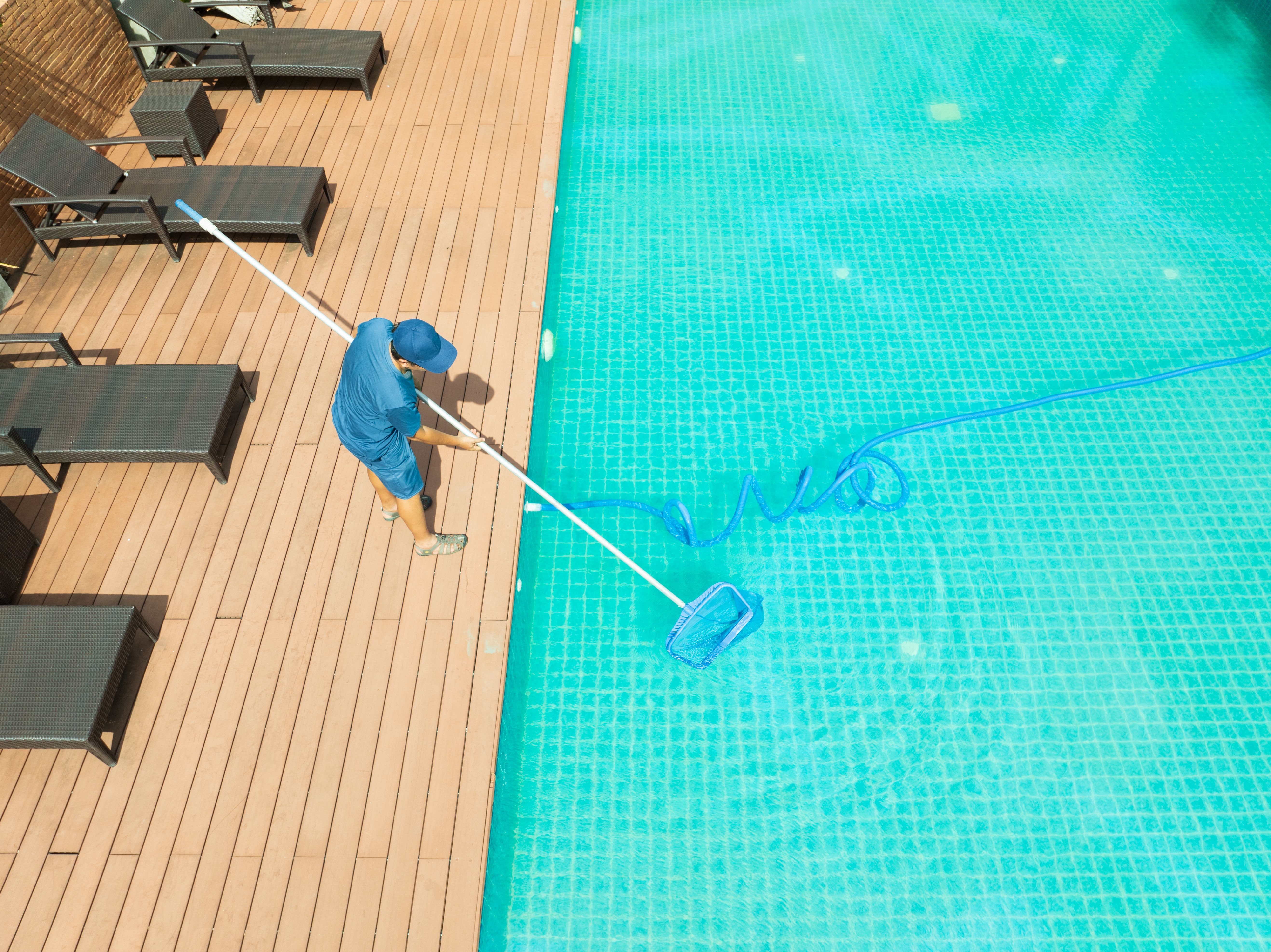
Regular cleaning is more than just a routine task in Cornwall; it's a necessity. Removing debris and maintaining the correct chemical balance in the pool are critical to preventing algae and bacteria growth. Weekly checks of the pool's pH levels and chlorine content can help maintain a healthy swimming environment.
Investing in a quality pool cover can also be beneficial. A cover not only keeps debris out but also helps maintain the water temperature and reduces evaporation, which is particularly valuable during the cooler months.
Preparing for Seasonal Changes
Seasonal changes in Cornwall require pool owners to be proactive in their maintenance routines. As temperatures drop, it's important to winterize the pool to prevent freezing damage to pipes and equipment. This involves lowering the water level, adding antifreeze, and ensuring all equipment is adequately insulated.
Conversely, as temperatures rise in the summer, increasing pool usage requires more frequent cleaning and chemical adjustments. Being prepared for these fluctuations ensures that your pool remains a source of enjoyment year-round.